
Government’s 100-Point Reform Agenda Targets Transport, Safety and Digital Mobility



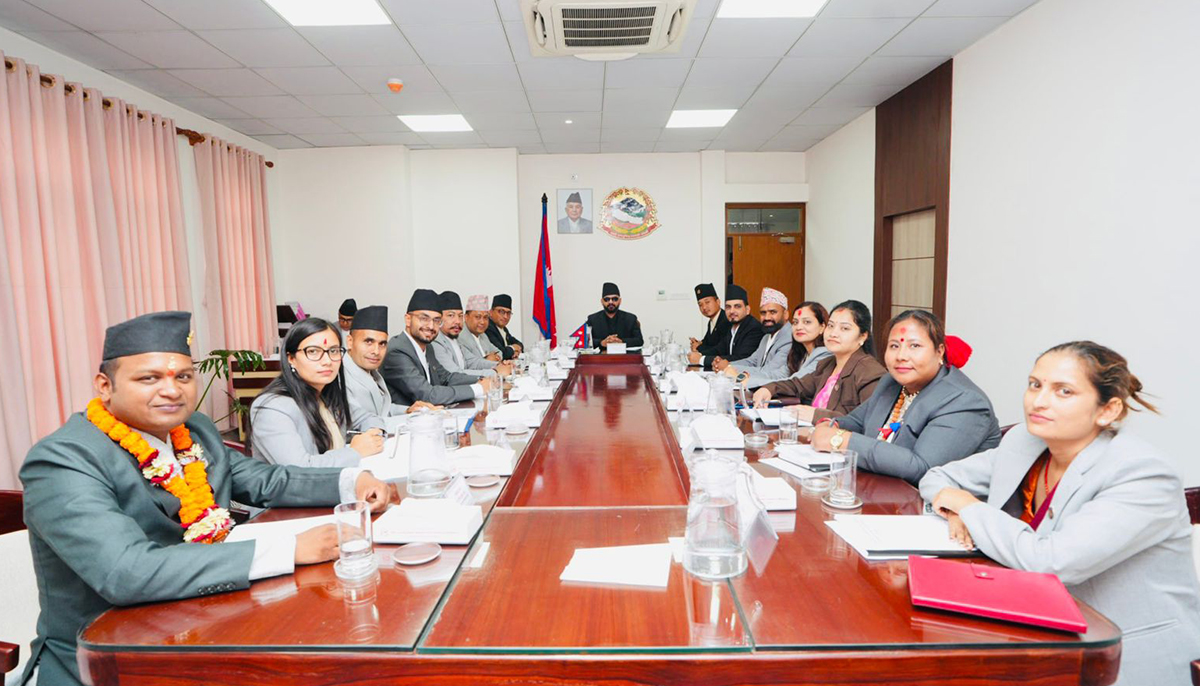
The newly announced 100-point governance reform agenda by the government led by Balen Shah places notable emphasis on restructuring Nepal’s transport and mobility ecosystem through a mix of digitalization, safety mandates, and infrastructure oversight.

While the broader framework spans governance, economy, and public service delivery, several provisions directly impact the automotive and transport sector—signaling a shift toward efficiency, compliance, and system-level accountability.

At the core of the reform is the transition toward faceless and time-bound public services, which includes digitizing key transport-related processes such as driving licenses.
By integrating these services into platforms like the Nagarik App, the government aims to reduce administrative bottlenecks and eliminate the need for repeated in-person visits.

Complementing this is the introduction of a digital appointment system and e-signature verification, which could streamline vehicle registration, renewals, and licensing workflows.
The agenda also prioritizes public transport safety, introducing mandatory installation of CCTV cameras and dashcams in public vehicles.
Additionally, ride-sharing platforms will be required to integrate SOS features, reflecting a regulatory push toward passenger security and incident traceability.
A parallel initiative proposes the rollout of “Blue Bus” services, starting with 25 vehicles dedicated to enhancing women’s safety in urban mobility.
From a logistics and supply chain perspective, the government has committed to ensuring uninterrupted transport corridors, particularly for import and export activities.
This includes directives for the Ministry of Home Affairs to maintain operational road networks during disruptions, a move that directly impacts commercial vehicle operators and freight movement reliability.
Infrastructure monitoring also receives attention through the planned installation of weigh-bridges on strategic highways within 45 days. This measure is expected to address chronic issues of overloading in freight transport, which has long contributed to road degradation and safety risks.
Alongside this, a stricter monitoring framework for stalled infrastructure projects aims to accelerate road construction and maintenance cycles.
The reform agenda further includes customs clearance of long-held vehicles at border points, which could ease inventory pressure for automotive importers and improve supply chain fluidity.
In parallel, reforms in customs and mandatory Maximum Retail Price (MRP) enforcement are expected to bring more transparency to vehicle pricing and distribution.
On the digital governance front, the integration of a National Integrated Digital Governance Platform and data-sharing protocols could enable interoperability between transport authorities, traffic management systems, and enforcement agencies.
This opens the door for smarter traffic management solutions, centralized vehicle databases, and improved regulatory oversight.
Collectively, these measures indicate a policy direction that moves beyond incremental fixes toward a more systemic transformation of Nepal’s transport sector.
If implemented within the proposed timelines, the reforms could significantly reshape how vehicles are registered, monitored, and operated—while also improving safety standards and operational efficiency across the mobility landscape.








Royal Enfield Hunter 350 Gets New Variant and Colours in Nepal

GAC Motor Nepal Issues Statement on Aion Y Fire Incident in Bharatpur

Changan Nevo Q05 Launched in Chitwan